Phone Accessory Packaging That Sells in Every Market
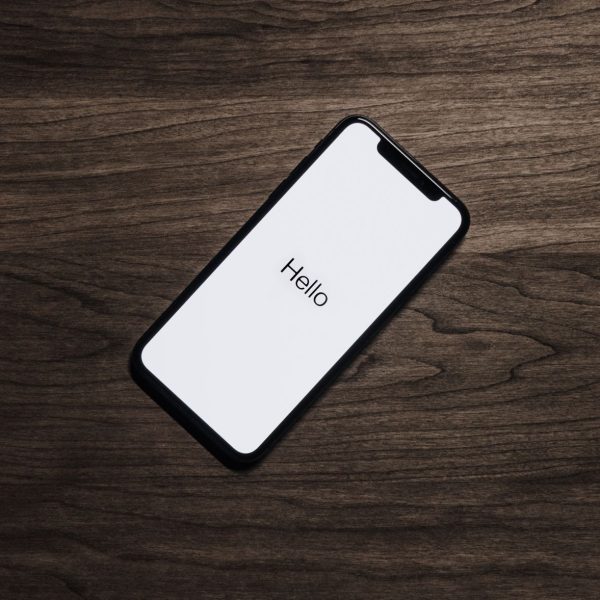
A phone case sits on a shelf for about three seconds before a shopper decides whether to pick it up. In that moment the package must say what the product does and why it is safe and why it is worth the price. If the text is in the wrong language the sale is lost before it begins. Phone accessory brands that sell abroad quickly discover that packaging is not a small detail. It is the silent salesperson in every market. Getting it right costs far less than reprinting a failed batch.
Packaging carries several kinds of text at once. There is the brand tagline and the feature list and the compatibility chart and the safety warnings and the care instructions. Each has a different job and a different level of risk. A tagline can be adapted creatively. A safety warning must be exact. Mixing the two under one translation approach is a common mistake that leads to either flat marketing or dangerous ambiguity. Separating the two types of text from the start avoids both problems.
Compatibility lists are a good example of hidden risk. A charger that works with one phone family may not work with another. If a translator rewrites model names or drops a version number the buyer may order the wrong product. Returns follow and so do bad reviews. Technical lists should be treated as data and checked by someone who knows the products. A short review table with model names and versions makes this check fast.
Products for babies and children raise the stakes further. Sensory phone cases and similar items carry age guidance and material information and choking warnings in many markets. Regulators expect these notices in the local language and in clear wording. A vague translation can create legal trouble and damage trust with parents who read labels carefully. Brands should always confirm local labeling rules before printing.
Tone matters as much as accuracy. Playful English slogans rarely translate word for word. A pun about staying connected can become nonsense in Italian or Spanish. Good adaptation keeps the feeling and finds a new phrase that works naturally. Brands that invest in this step see packaging that feels local rather than imported and shoppers respond to that difference. Local feel is hard to measure but it shows up in reviews and repeat orders.
Creative Adaptation for Brand Voice
Taglines and campaign lines need transcreation services rather than literal translation. A transcreator rewrites the idea for the target audience and keeps the emotion and the rhythm. The result may use completely different words from the original. It should still make the same promise and carry the same personality. Brands can approve the new line through a back translation that explains the meaning in plain English. This gives non speaking approvers confidence without forcing them to read another language.
Consistency across channels is the next challenge. The line on the box should match the line on the website and the line in the ad. Teams should keep a short brand voice guide with approved phrases and words to avoid. The guide should be shared with every language partner. This avoids the situation where one market describes the same case as rugged and another as fashionable.
Listings That Convert Online
Most accessory sales now start on a screen. Product listing translation has to work for search as well as for people. Shoppers in each country use different words for the same item. A phone case may be a cover or a shell or a sleeve depending on the market. Keyword research in each language shows which terms buyers actually type. Translators who ignore this produce listings that read well and rank poorly.
Bullet points and titles deserve special attention because they carry most of the weight. Keep them short and specific. Put key features first and use local measurement units and local currency. Check character limits on each marketplace before translating. Many platforms cut off long titles and a truncated sentence looks careless. Preview every listing on a phone because that is where many shoppers will read it. A simple template for each marketplace saves time and prevents mistakes. Over time these templates become a reliable reference for the whole team.
Video and Support
Unboxing clips and installation demos build confidence. Our buyer guide to audio and video translation services explains the options for subtitles and voice over and transcription. The CPSC publishes product safety guidance that brands can review when preparing warnings and labels for children's items.
Export markets bring their own rules and expectations. The International Trade Administration offers practical resources for companies that sell abroad. Reading these materials early helps brands plan labels and documents correctly. It also helps them budget for translation as part of the launch and not as an afterthought. Early planning also leaves room for a second review round if a legal question appears.
A Practical Launch Checklist
Begin by listing every piece of text that a customer will see. Include the box and the insert and the website and the app and the support emails. Mark each item as creative or technical or legal. Choose the right type of language support for each category. This simple sorting step prevents most quality problems later. It also shows managers where the highest risk items sit.
Build review into the schedule. A native speaker should read the final artwork and not only the text file. Check line breaks and symbols and units. Confirm that warnings are visible and that nothing is cut off at the fold. Print a physical proof when possible because colors and sizes look different on paper. Keep a record of approved wording for future products. This record saves hours when the next model launches.
Good packaging speaks to the shopper in a way that feels natural and safe. Treat each language as a real market with its own habits. Adapt the creative lines and verify the technical ones. Keep terms consistent across box and listing and support. Brands that follow this path build trust faster and spend less on returns and corrections. Shoppers who trust the label are also more likely to leave positive reviews.